
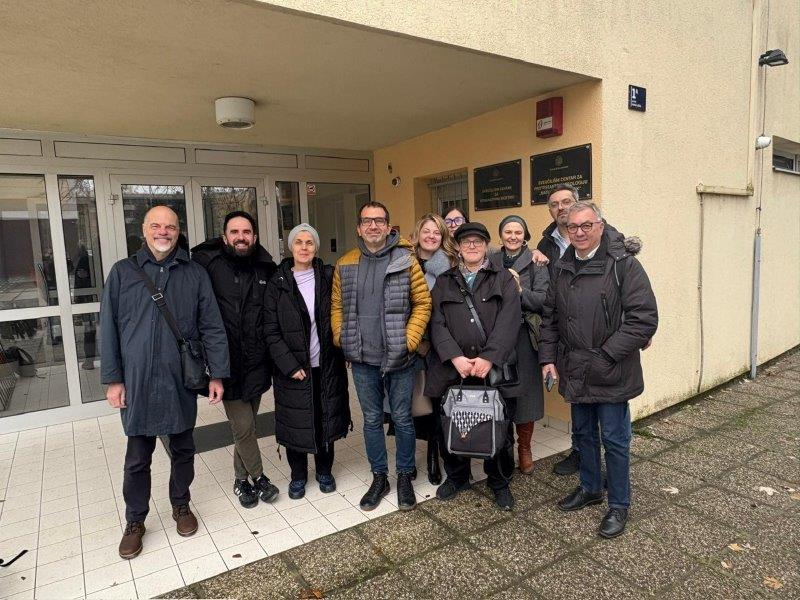
From 5 to 7 December 2025, academic discussions on pluralisms in the Balkans were held in Zagreb, bringing together representatives of universities from Croatia, Serbia, Bosnia and Herzegovina, the United States, and the United Kingdom. The meetings gathered distinguished scholars from the fields of social sciences and humanities, with the aim of strengthening regional and international cooperation in the study of pluralism, secularism, and religion. On behalf of the TPO Foundation, the discussions were attended by Prof. Dr. Zilka Spahić Šiljak, while Professors Zoran Grozdanov, Slavica Jakelić, and Nebojša Zelić conceptualized and led the programme.
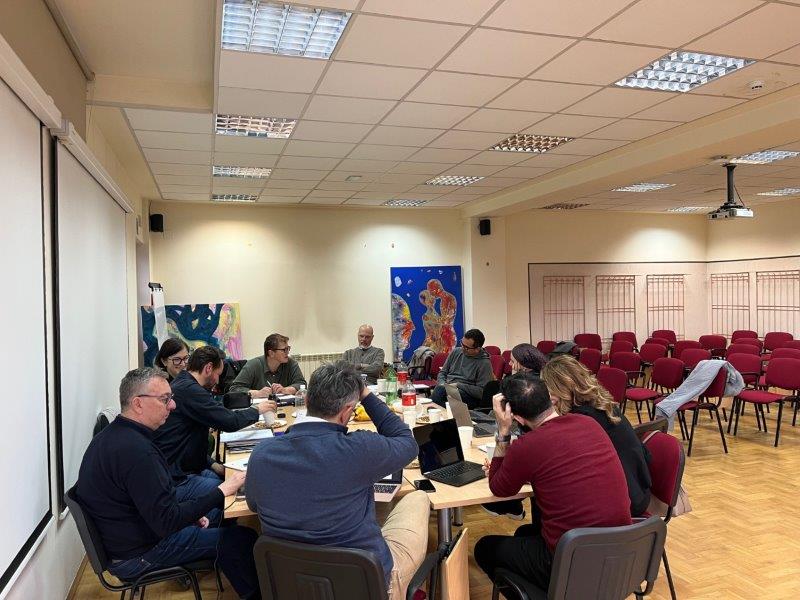
The main goal of these discussions was to initiate preparations for a joint international research project on pluralities in secular and religious contexts in the Balkans. The planned project is expected to connect a network of researchers from the region and globally, and to contribute to the development of new theoretical and methodological approaches to the study of pluralism in post-conflict and transitional societies.
During the multi-day discussions, participants addressed key challenges facing Balkan societies today – ranging from the relationship between religion and secularism, through issues of gender equality, minority rights, and migration, to the impact of historical trauma, nationalism, and populist politics on social relations. Special emphasis was placed on the need for an interdisciplinary approach that brings together sociology, political science, theology, philosophy, history, and gender studies.
Participants emphasized that international research projects and academic networking are crucial for strengthening scholarly capacities in the region, as well as for the visibility of regional research in the global academic arena. Particular importance was given to the inclusion of young researchers and to knowledge exchange between universities operating in different social and political contexts.
At the conclusion of the meeting, it was agreed that the Balkans, with its complex history of coexistence, conflict, and transition, represents an exceptionally important research field for understanding pluralism in contemporary Europe. The announced joint project is expected to offer new scholarly insights, as well as practical recommendations for strengthening democratic culture, interreligious dialogue, and social cohesion in the region.
