
Gender-based violence is not merely an individual act of violence, but also a social phenomenon perpetuated through cultural norms, gender stereotypes, religious interpretations, and unequal power relations.
The media do not merely reflect social reality; they actively participate in shaping gender identities, religious representations, and power relations.

What gender is God? Does God have a sex or gender? How do representations of God shape our understanding of femininity and masculinity, and what social implications do they have for the position of women and men? These are some of the key questions explored in the course God, Sex and Gender – Feminist Theology, offered during the winter[…]
Peace is not merely the absence of war and direct violence, but also a process of transforming social relations, inequalities, and structures that produce violence and exclusion. It is from this perspective that the course Gender, Religion and Peacebuilding began as part of the 2026/27 winter semester of FER School (Feminism and Religion). The course is taught by Prof. Dr.[…]
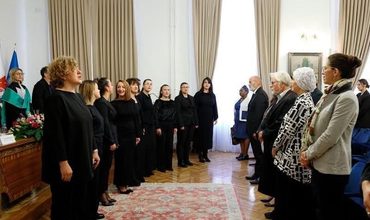
“Knowledge matters when we translate it into practice,” said Prof. Dr. Zilka Spahić Šiljak, Director of the TPO Foundation, on October 3, 2026, at the presentation of the ERMA Award for contribution to human rights, democracy, and peacebuilding. The recognition holds special significance for her, as she herself graduated from the ERMA programme in 2001, has been[…]
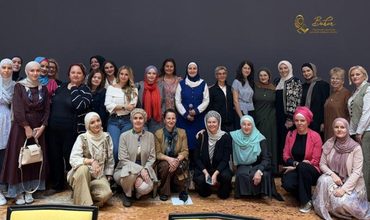
The most dangerous form of religious authority emerges when a person no longer speaks in their own name, but claims to speak in the name of God. It was precisely this boundary between faith and the abuse of power that Prof. Dr. Zilka Spahić Šiljak addressed at a seminar organized by Bahar, on September 26, 2026. focusing on spiritual abuse from the perspective of Islamic feminist hermeneutics.
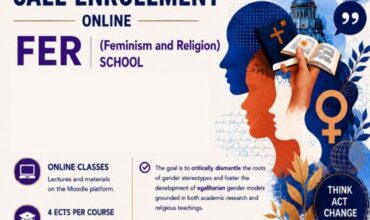
The goal is to critically dismantle the roots of gender stereotypes and foster the development of egalitarian gender models grounded in both academic research and religious teachings.

Gender is one of the principal terrains upon which religious authority, ethnonational belonging and political power are negotiated, but gender controversies are rarely only about gender.

It is always better to offer an alternative than merely defend oneself against attacks, which is the principle promoted by the Feminism and Religion Online School, launched in 2021.
