
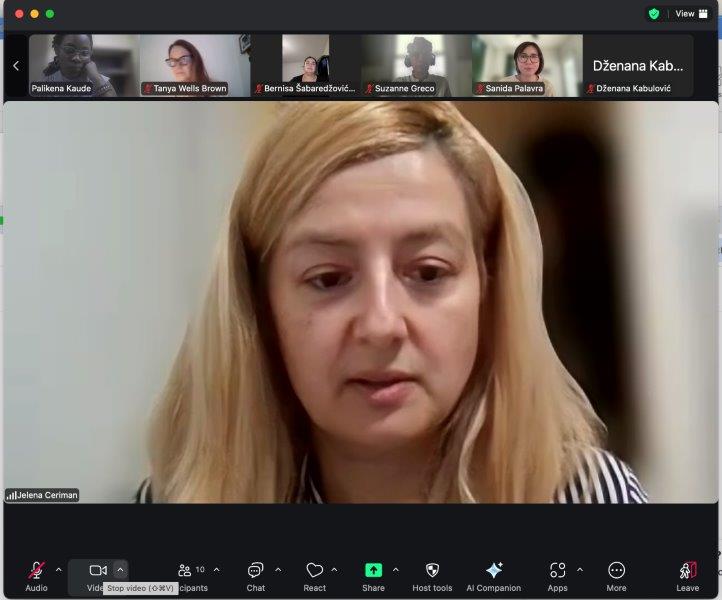
Another semester of the School of Feminism and Religion (FER School) has been successfully completed in December 2025. Since 2024, the FER School’s academic program has been implemented within the University of Sarajevo. During this semester, three courses were delivered in English (Gender, Religion and Peacebuilding; Feminist Theology; Gender, Religion and GBV) and two courses in BHS languages (History of Feminism in the East and the West; Gender, Religion and Media). With lecturers from the United States, the United Kingdom, South Africa, Australia, and the Balkan region, the program brought together over 50 participants from four continents.
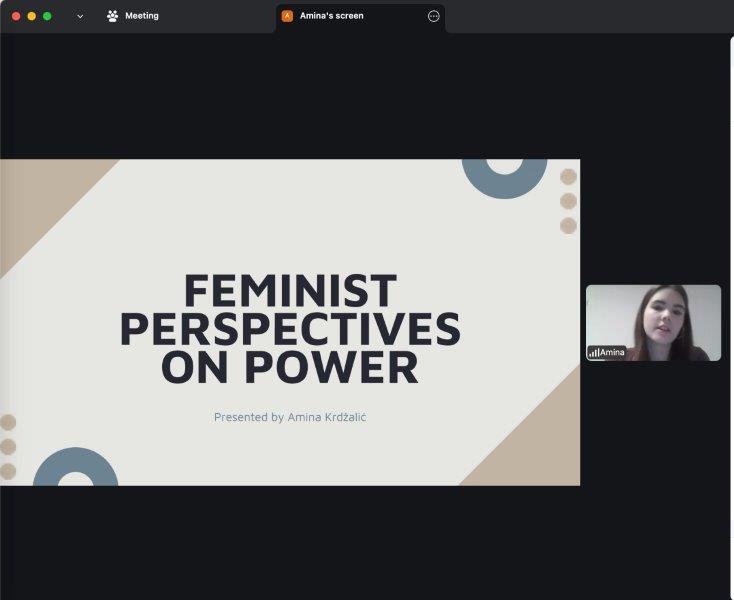
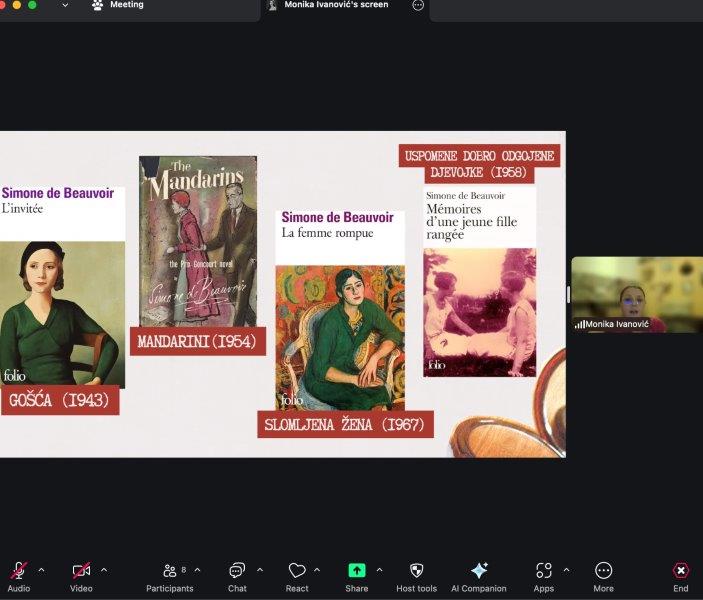
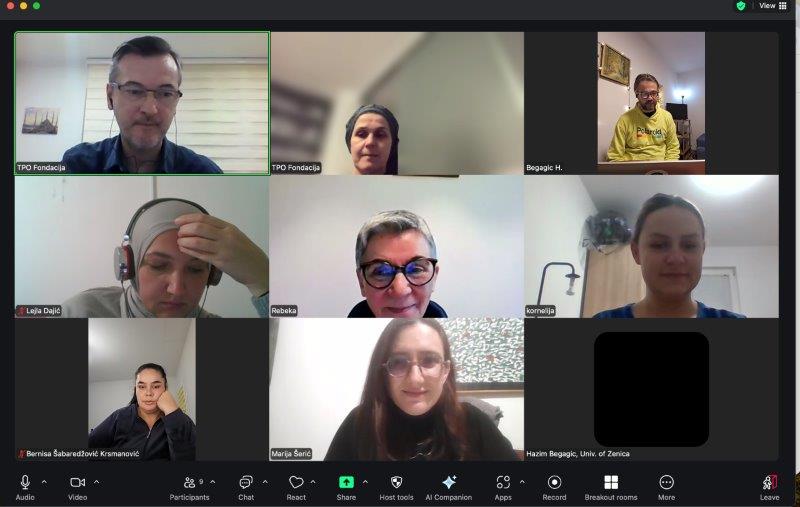
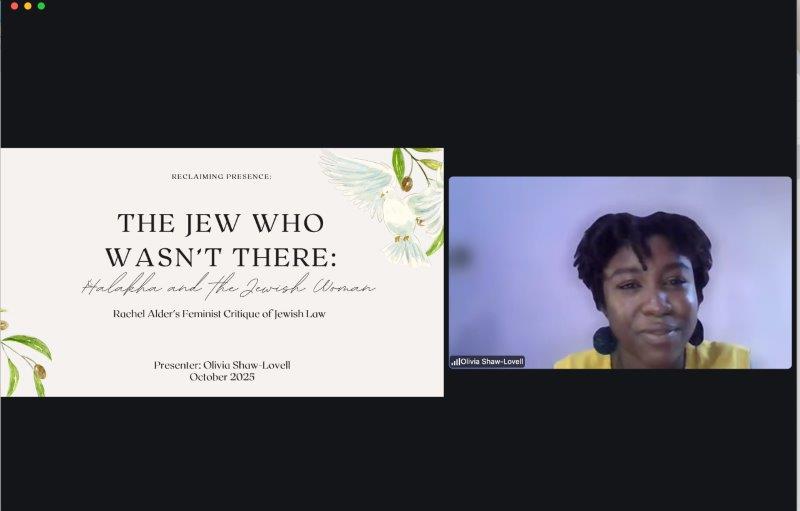
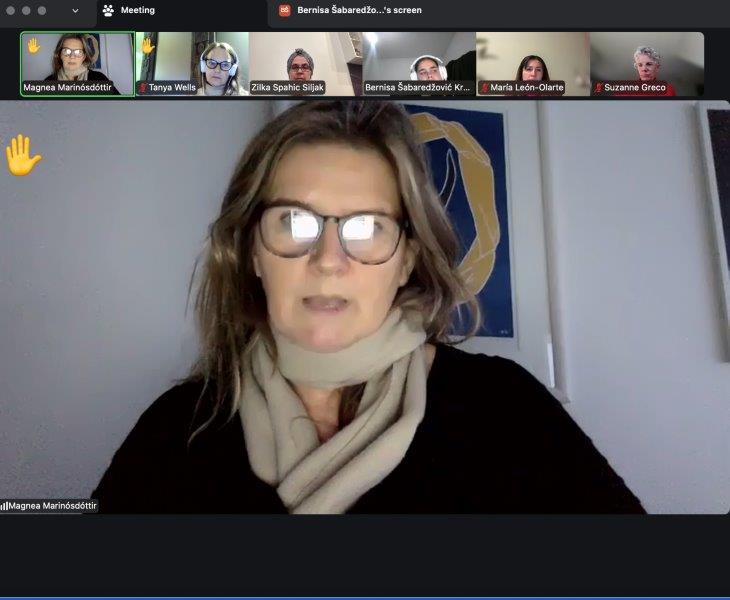
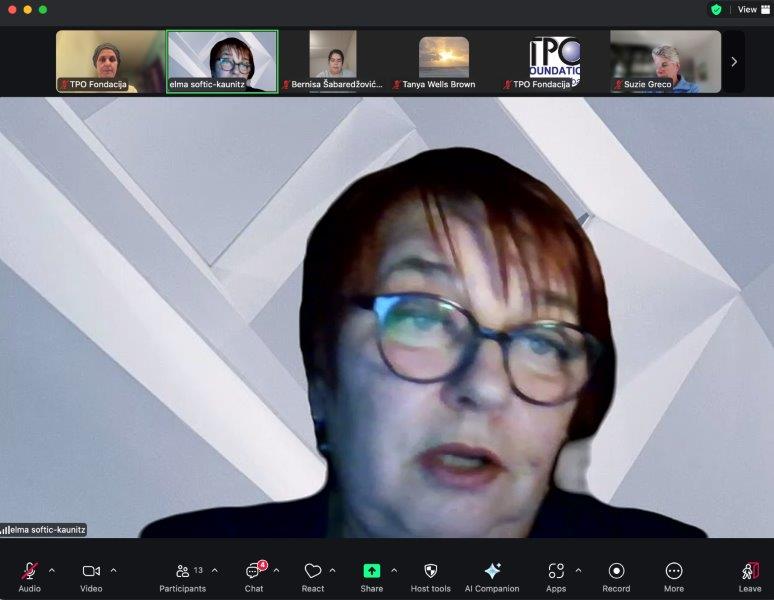
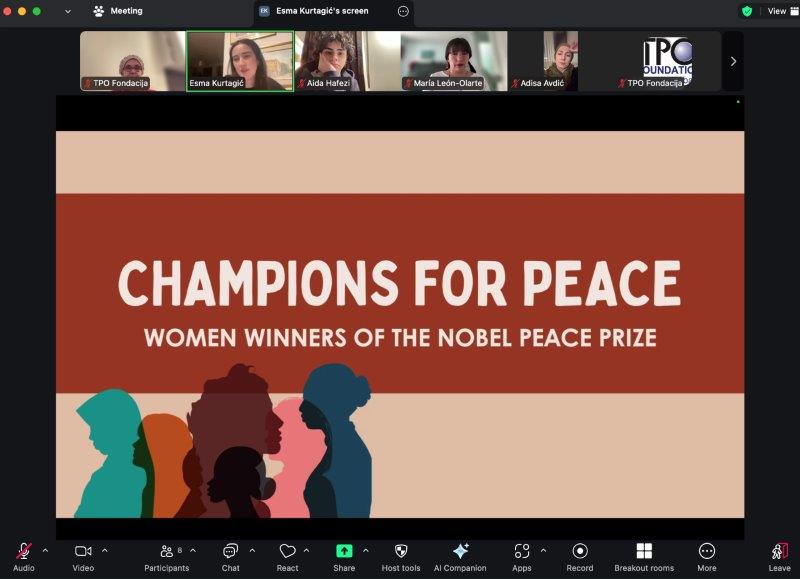
The program was held online again this winter, from Monday to Friday, between 6:00 and 7:30 PM, offering participants a structured space for learning, exchanging experiences, and open discussion on topics that connect feminism, religion, and society. The winter semester ran from October to December 2025. This semester featured lecturers from Slovenia, Croatia, Serbia, Bosnia and Herzegovina, the United Kingdom, the United States, South Africa, and Australia. The discussions were further enriched by the diversity of the participants themselves—not only in terms of coming from different parts of the world, but also in their worldviews and religious beliefs, as well as their gender identities and sexual orientations.
From the history of feminism to questions of peace and security
The program covered a wide range of topics, from the history of feminism and various strands of feminist theology, through critical media analysis, to issues of gender-based violence and peacebuilding.
The course History of Feminism in the West and the East offered an overview of the social and historical contexts in which feminist movements and ideas developed. Special emphasis was placed on key theoretical concepts and diverse feminist orientations, as well as on the “return” to the often-neglected history of women’s contributions to social change, emancipation, and cultural transformation—particularly in the nineteenth and twentieth centuries. The thematic focus also included the three waves of feminism, the development of feminism in the former Yugoslavia and Bosnia and Herzegovina, as well as experiences from Asia and Africa, alongside an analysis of contemporary forms of patriarchy and the effects of globalization. Lecturers on this course included: Prof. dr. Zilka Spahić Šiljak, Assoc. prof. dr. Merima Jašarević, Dr. Adriana Zaharijević, Assoc. prof. dr. Jasna Kovačević, and Prof. dr. Jasmina Husanović.
The course Religion, Gender and Media opened up questions about how the media mediate knowledge, shape identities, and influence self-perception—especially among young people. Through theoretical frameworks and case studies, the course analyzed gender stereotypes in religious and secular media, the visibility of women as authors and editors of content, the space afforded to women theologians and experts, as well as representations of violence against women and the relationship between pornography and violence. Lecturers on this course included: Prof. dr. Suzana Peran-Vrhovski, Prof. dr. Irena Sever-Globan, Assist. prof. dr. Medina Mujić, Assist. Dr. Ružica Ljubičić, and Prof. dr. Hazim Begagić.
Within the course Feminist Theology, feminist theology was presented as a diverse and dynamic field that follows the development of feminism and reflects on it within a religious context. The program was thematically structured through “layers” of questions and topics that have strongly shaped theological thought. It encompassed Christian and Islamic feminist theology, while also offering a broader insight into contemporary trends in feminist Christian, Jewish, and Islamic theology. Lecturers on this course included: Prof. dr. Tina Beattie, Dr. Selina Palm, Dr. Elana Sztokman, Prof. dr. Adis Duderija, Prof. dr. Zilka Spahić Šiljak, and Elma Softic Kaunitz MA.
The course Gender, Religion and Peacebuilding focused on the gender dimensions of conflict and peace processes, as well as the different experiences of women and men during and after conflicts. Particular emphasis was placed on the fact that women are often collateral victims, yet also among the most active drivers of peace initiatives within their communities. At the same time, the course examined the role of men in conflicts, social expectations within patriarchal structures, and the reality that men overwhelmingly occupy positions of political power and dominate peace negotiations at the highest levels. Lecturers on this course included: Prof. Dr. Zlatborka Popov-Momčinović, Prof. Dr. Larisa Kasumagić-Kafedžić, Dr. Randall Shank Puljek, Prof. Dr. Zilka Spahić Šiljak, Dr. Amra Pandžo, and Prof. Dr. Marie Berry.
The course Gender, Religion and GBV (Gender-Based Violence) offered insights into theoretical and empirical understandings of gender, gender identities, stereotypes, and roles that have contributed for centuries to the emergence of gender-based violence. These social constructs are strongly shaped by cultural norms and patriarchal “values” that keep women in a subordinated position, often summed up in the message: “Be silent, endure, and do not bring shame to your family.” Religion is frequently used to justify gender-based violence, but contemporary and feminist interpretations offer new insights and alternative understandings of sacred texts. Lecturers on this course included: Prof. dr. Zilka Spahić Šiljak, Dr. Jelena Ćeriman, Dr. Selina Palms, Dr. Sabiha Husić, Elma Softić-Kaunitz MA, and Melika Šahinović MA.
Participants’ Reflections: greater self-confidence and readiness for engagement
Participants highlight the development and clear expression of self-confidence as the most significant change they experienced. They note that this confidence grew through the acquisition of knowledge and the practice of well-argued discussion, and subsequently transformed into a stronger impulse for critical reflection on social developments and processes within religious communities. Many participants felt further empowered to pursue independent research and to engage more actively in society and their own communities—particularly through interethnic and interreligious dialogue.
In participants’ reflections, the atmosphere of respect and encouragement of free expression stands out in particular:
“What impressed me most was the warm and respectful attitude of the professors toward us. The opportunity to express our opinions on a topic gave me a strong sense of being valued and respected… There were no wrong answers here, because each one was unique and meaningful…”
Another participant emphasized the clear structure of the program and the inspiration drawn from collaborative learning:
“The curriculum was very well designed. We were guided step by step from the basics of each topic toward a deeper understanding… The experience, research, and work of the professors, as well as the experiences of other women in the course, were extremely inspiring.”
The FER School continues to affirm itself as a space of knowledge, exchange, and empowerment—a place where learning, critical inquiry, and community-building come together, fostering active engagement in society and within religious communities.
