
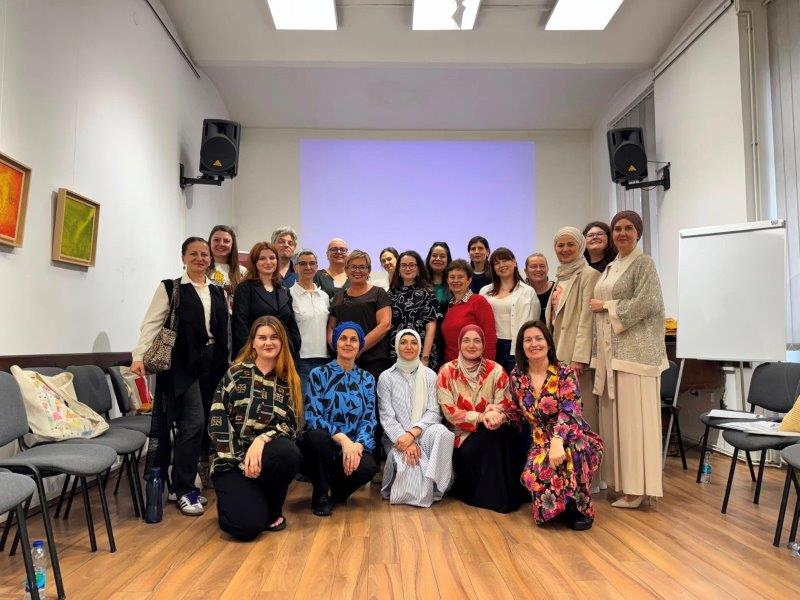
Feminist research methodology critically examines power relations in the production of knowledge, includes the experiences of women and marginalized groups, and seeks to make research ethical, responsible, and socially transformative. This was discussed by professors Maja Arslanagić-Kalajdžić, Jasna Kovačević, and Zilka Spahić Šiljak, as well as MA Ankica Dragin, during a two-day training held on June 11 and 12, 2026, at the premises of the Serbian Educational and Cultural Society Prosvjeta.
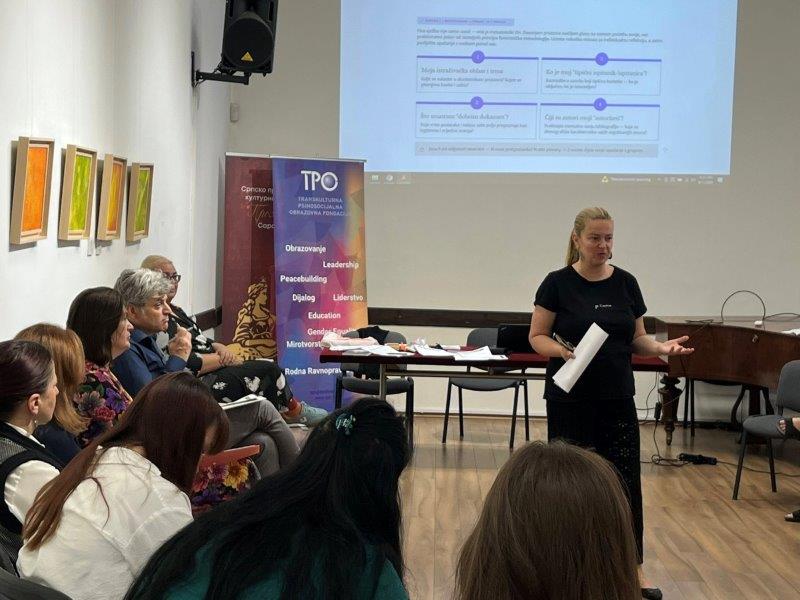
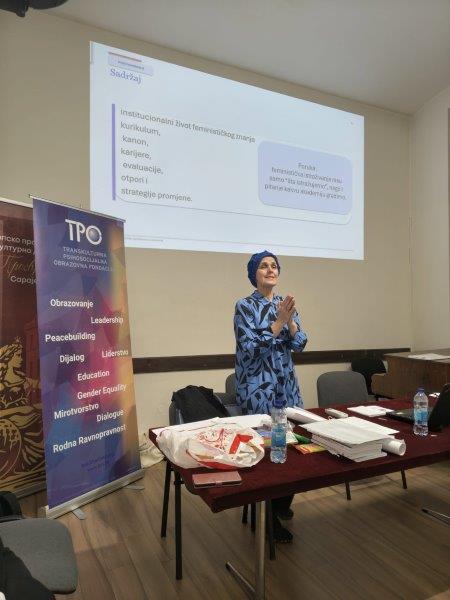

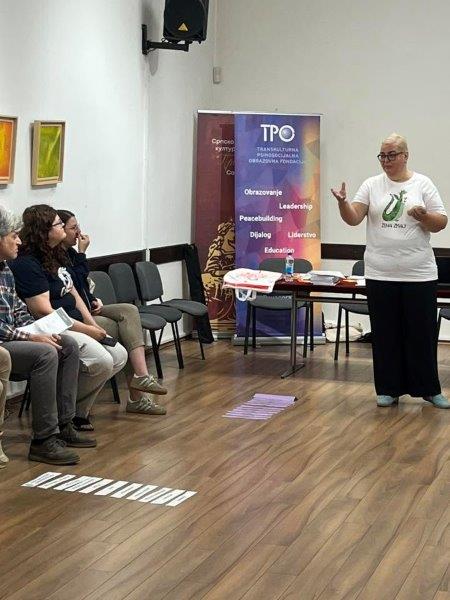

Prof. Dr. Maja Arslanagić-Kalajdžić spoke about the foundations of feminist research methodology. Through two lecture blocks, participants had the opportunity to become familiar with key epistemological and methodological questions in feminist research, including the positionality of the researcher, the ethics of the research process, and the importance of including marginalized voices in the production of knowledge.
Associate Professor Dr. Jasna Kovačević spoke about intersectionality, linking issues of gender, religion, and violence, drawing on the work of Kimberlé Crenshaw and Patricia Hill Collins. Intersectionality is an approach that shows that different forms of inequality and discrimination, such as gender, class, religion, ethnicity, race, disability, age, or sexuality, cannot be viewed separately, because they often intersect and together shape people’s experiences.
In the continuation of the program, Prof. Dr. Zilka Spahić Šiljak delivered a lecture on gender in the academic sphere and the principles of feminist academic research, with special emphasis on the challenges faced by women and other marginalized groups in academic institutions, both in building academic careers and in publishing scholarly work and positioning themselves within the academic community.
The training program was designed as a space for learning, exchange of experiences, and critical dialogue on the ways in which feminist methodology can contribute to more just, responsible, and socially engaged research. Special emphasis was placed on understanding research as a process that not only describes social reality but can also contribute to its transformation.
Participants from Bosnia and Herzegovina, Croatia, Serbia, and North Macedonia had the opportunity not only to learn and practice the basics of academic writing and feminist approaches to research, but also to create new networks of cooperation in the region through joint work and socializing. The training represents a continuation of the cooperation between the Ecumenical Women’s Initiative and TPO Foundation in the field of feminist education, strengthening women’s capacities, and developing critical approaches, which will also contribute to the further development of the FER School, which brings together a large number of women scholars from the region and the world.
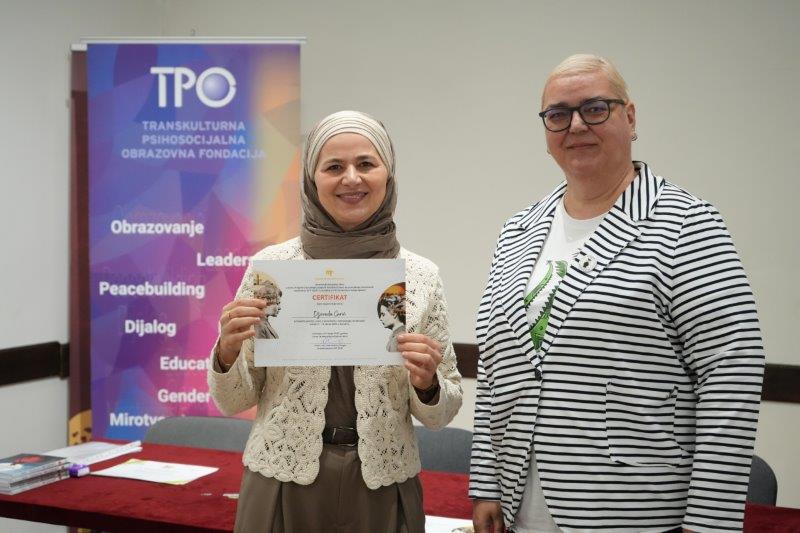
At the end of the seminar, the participants received certificates of attendance as well as instructions for online consultations with the lecturers.
